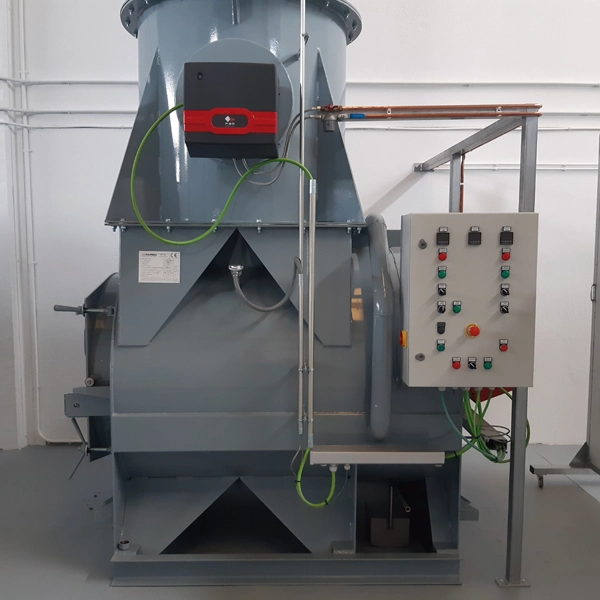
Waste to energy
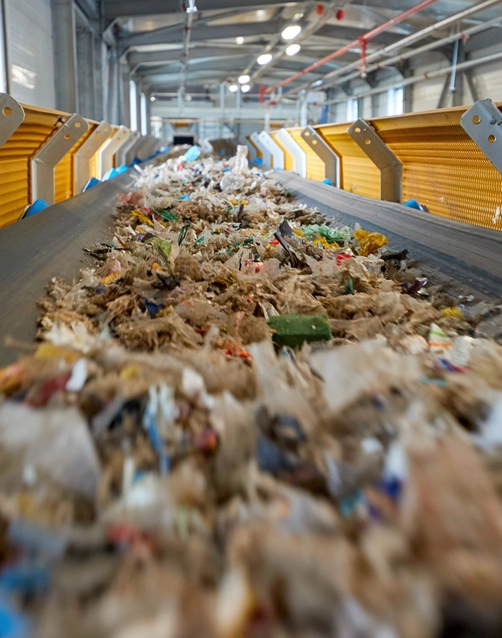
Waste-to-energy (WtE) is the process of recovering thermal energy generated during the combustion of waste materials.
Our waste recovery plants are designed to handle a wide range of residues and are typically structured around four key stages:
• Feeding Systems: We offer fully automated and controlled feeding systems, including: Container tippers, Screw conveyors, Sludge pumps, Controlled liquid injection lances… all adapted to the specific type and condition of the waste.
• Thermal Destruction: Combustion is carried out with precise control of oxygen supply and temperature, tailored to the characteristics of each waste stream.
• Energy Recovery: The thermal energy released during combustion is recovered using: Steam, hot water, or thermal oil boilers;
ORC electrical turbines; Gas-to-air heat exchangers; Leachate quench systems, among others
• Flue Gas Cleaning: All exhaust gases are treated using physical and chemical purification systems, ensuring full compliance with the latest environmental regulations before release into the atmosphere.
Garantizamos una instalación segura y conforme a especificaciones, ya sea ejecutando directamente el montaje con medios propios o supervisando técnicamente a contratistas locales.
En ambos casos, aseguramos el cumplimiento de los estándares técnicos y de calidad, coordinamos las pruebas de funcionamiento, ajustamos parámetros clave y formamos al personal para una puesta en marcha eficaz y segura.
Instalación técnica y montaje especializado
Puesta en marcha funcional
Formación operativa
Brindamos acompañamiento técnico permanente tras la puesta en marcha. Nuestro equipo ofrece mantenimiento preventivo y correctivo, diagnóstico de incidencias, asistencia remota, revisiones programadas y optimización continua.
Todos nuestros planes se apoyan en repuestos originales Kalfrisa, garantizando compatibilidad y rendimiento.
Mantenimiento preventivo adaptativo
Mantenimiento correctivo express
Optimización post-instalación
Actualizamos equipos y modernizamos instalaciones mediante retrofit y revamping, sustituyendo componentes obsoletos, mejorando el rendimiento térmico y adaptando los sistemas a nuevas normativas.
Estas intervenciones pueden implicar la renovación parcial o sustancial de la planta, según las necesidades del proyecto.
Revamping térmico, mecánico y estructural
Retrofit tecnológico funcional
Actualización o reacondicionamiento de cámaras, intercambiadores, aislamientos, conducciones, etc
Mejora de eficiencia y reducción de emisiones
Transformamos instalaciones tradicionales mediante soluciones inteligentes y conectividad avanzada.
Implementamos tecnologías de automatización industrial, monitoreo remoto en tiempo real y análisis predictivo de mantenimiento, integrando tu planta al entorno digital de la Industria 4.0 para maximizar eficiencia, productividad y control operativo.
Automatización avanzada de procesos térmicos
Supervisión remota 24/7
Mantenimiento predictivo basado en datos
Evaluamos técnica y normativamente las instalaciones de nuestros clientes, planteamos mejoras y apoyamos en el cumplimiento legal y de sostenibilidad.
Además, como agente descarbonizador industrial, ayudamos a reducir consumos energéticos, emisiones y avanzar hacia una industria más limpia.
Auditorías de eficiencia energética y emisiones
Estudios de viabilidad técnica y económica
Acompañamiento en cumplimiento normativo
Soporte experto en IPPC, BREF, RITE, ISO y normativa medioambiental europea.
Estrategias de descarbonización térmica
Mediciones de emisiones y condiciones de operación
Continuous Rotary Kilns
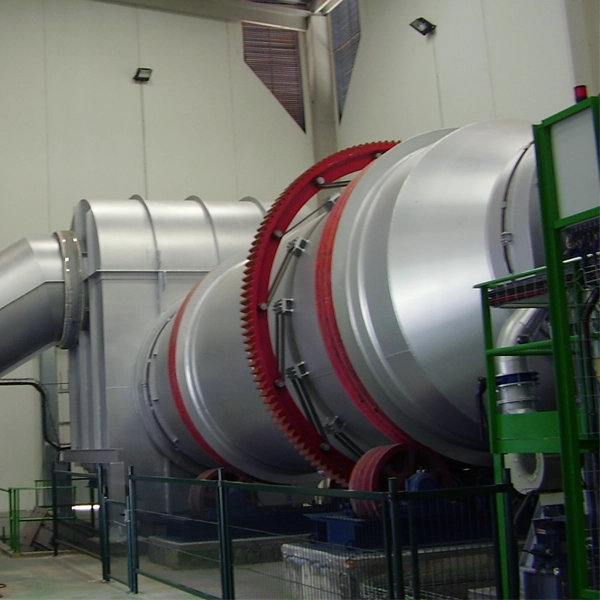
Continuous rotary kilns accept solid, pasty, and liquid waste. The rotation of the chamber mixes the waste inside the furnace, ensuring continuous and uniform incineration with even temperature distribution and sufficient residence time for efficient combustion.
The KR series is ideal for treating challenging waste types, such as:
• Industrial sludge from wastewater treatment processes, with high moisture and solid content.
• Industrial residues, such as plastics, textiles and composite materials that cannot be easily treated by other methods.
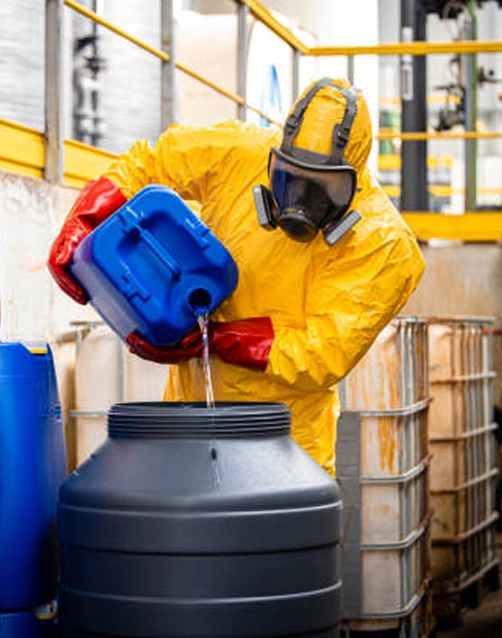
• Hazardous waste, requiring safe destruction through incineration to prevent environmental contamination.
| KR SERIES | KR-20.000 | KR-30.000 | KR-40.000 | KR-70.000 | ||||
|---|---|---|---|---|---|---|---|---|
| Waste type | Ind. | Hosp. | Ind. | Hosp. | Ind. | Hosp. | Ind. | Hosp. |
| Waste LHV (kcal/kg)* | 4000 | 3000 | 4000 | 3000 | 4000 | 3000 | 4000 | 3000 |
| Destruction capacity (kg/h) | 500 | 650 | 750 | 1000 | 1000 | 1300 | 1800 | 2200 |
| Max operating time (h/day) | 24 | 24 | 24 | 24 | ||||
| Chamber volume (m3) | 20 | 30 | 40 | 70 | ||||
Batch Rotary Kilns
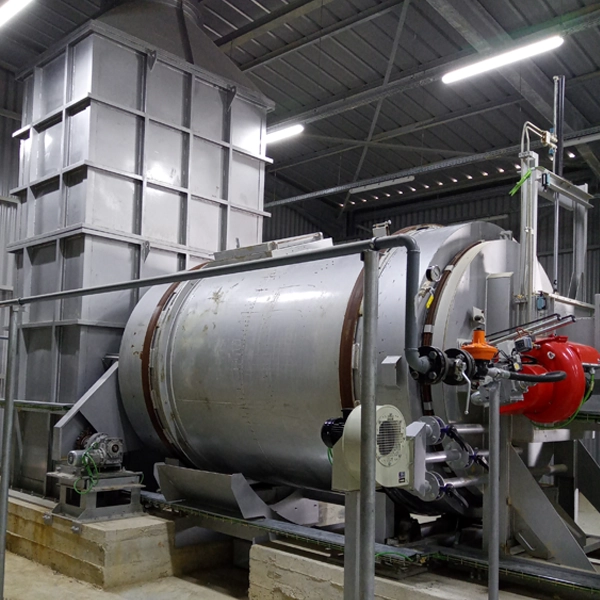
The ROT series of batch rotary kilns is designed to handle highly heterogeneous mixtures of waste, including solids, sludges, and liquids. They are ideal for the destruction of difficult-to-treat waste requiring mixing during the combustion process. These kilns require shutdown and ash removal at the end of the operating cycle.
| ROT SERIES | ROT-600 | ROT-1.000 | ROT-1.500 | ROT-2.500 | ||||||||
|---|---|---|---|---|---|---|---|---|---|---|---|---|
| Waste type | Ind. | Hosp. | Agro. | Ind. | Hosp. | Agro. | Ind. | Hosp. | Agro. | Ind. | Hosp. | Agro. |
| Waste LHV (kcal/kg)* | 4000 | 3000 | 1000 | 4000 | 3000 | 1000 | 4000 | 3000 | 1000 | 4000 | 3000 | 1000 |
| Destruction capacity (kg/h) | 50 | 65 | 125 | 85 | 115 | 230 | 130 | 175 | 350 | 220 | 300 | 600 |
| Max operating time (h/day) | 16 | 16 | 16 | 16 | ||||||||
| Chamber volume (m3) | 2,5 | 4,5 | 7 | 12 | ||||||||
Static Furnaces for Liquid Waste
The KL series of static furnaces is specifically designed for efficient incineration of liquid waste, such as solvents, used oils, liquid sludges and contaminated water.
| KL SERIES | KL-2.500 | KL-12.500 | KL-20.000 | KL-35.000 | ||||
|---|---|---|---|---|---|---|---|---|
| Waste viscosity | High | Low | High | Low | High | Low | High | Low |
| Waste LHV (kcal/kg)* | 5000 | 3000 | 5000 | 3000 | 5000 | 3000 | 5000 | 3000 |
| Destruction capacity (L/min) | 0,8 | 1,4 | 4,2 | 6,9 | 6,7 | 11,1 | 11,7 | 19,4 |
| Max operating time (h/day) | 24 | 24 | 24 | 24 | ||||
| Chamber volume (m3) | 2,5 | 12,5 | 20 | 35 | ||||
Static Furnaces
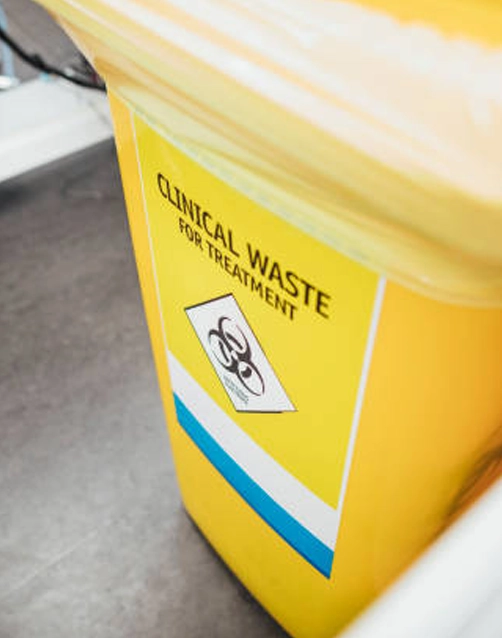
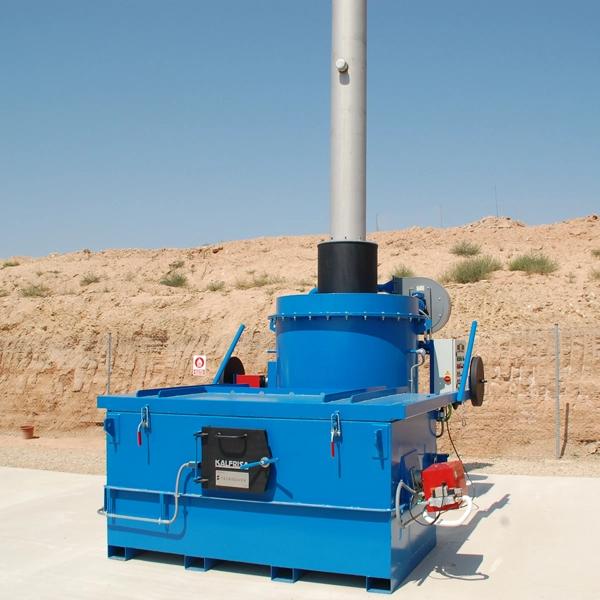
The KT series of static furnaces is designed for easily incinerable waste, such as paper, cardboard, wood, animal carcasses, clinical waste, MSW and light plastics. With horizontal loading, either automatic or manual, these kilns are designed for maximum destruction efficiency.
| KT SERIES | KT-750 | KT-1.500 | KT-4.000 | |||
|---|---|---|---|---|---|---|
| Waste type | Hosp. | Agro. | Hosp. | Agro. | Hosp. | Agro. |
| Waste LHV (kcal/kg)* | 3000 | 1500 | 3000 | 1500 | 3000 | 1500 |
| Capacidad de destrucción (kg/h) | 50 | 125 | 85 | 230 | 130 | 350 |
| Tiempo de operación máximo (h/día) | 16 | 16 | 16 | |||
| Chamber volume (m3) | 2,5 | 4,5 | 7 | |||
The KP series furnaces, known for their durability and reliability, are particularly suitable for agricultural and livestock applications. Easy to operate, they feature pre-programmed modes to simplify use and save time for operators.
| SERIE KP | KP-650 | KP-1.200 | KP-2.000 |
|---|---|---|---|
| Tipo de residuo | Agro. | Agro. | Agro. |
| PCI del residuo (kcal/kg)* | 1500 | 1500 | 1500 |
| Capacidad de destrucción (kg/h) | 50 | 50 | 50 |
| Max operating time (h/day) | 16 | 16 | 16 |
| Volumen de la cámara (m3) | 0,65 | 1,2 | 2 |
The SJ series of mobile static furnaces has been developed for treating small volumes of waste in facilities where no other disposal option is available – such as field hospitals, temporary camps, etc.
| SJ SERIES | SJ-75 | SJ-280 | ||
|---|---|---|---|---|
| Tipo de residuo | Hosp. | Agro. | Hosp. | Agro. |
| Waste LHV (kcal/kg)* | 3000 | 1500 | 3000 | 1500 |
| Destruction capacity (kg/h) | 5 | 10 | 10 | 20 |
| Max operating time (h/day) | 10 | 10 | ||
| Chamber volume (m3) | 0,65 | 1,2 | ||
* approximate values: final value depending on the LHV of the waste
Catalogue